Vague[01]
The goal stays a noun.
A theme is not a goal. Without a person and a finish line, every draft can be argued into shape.
See the working note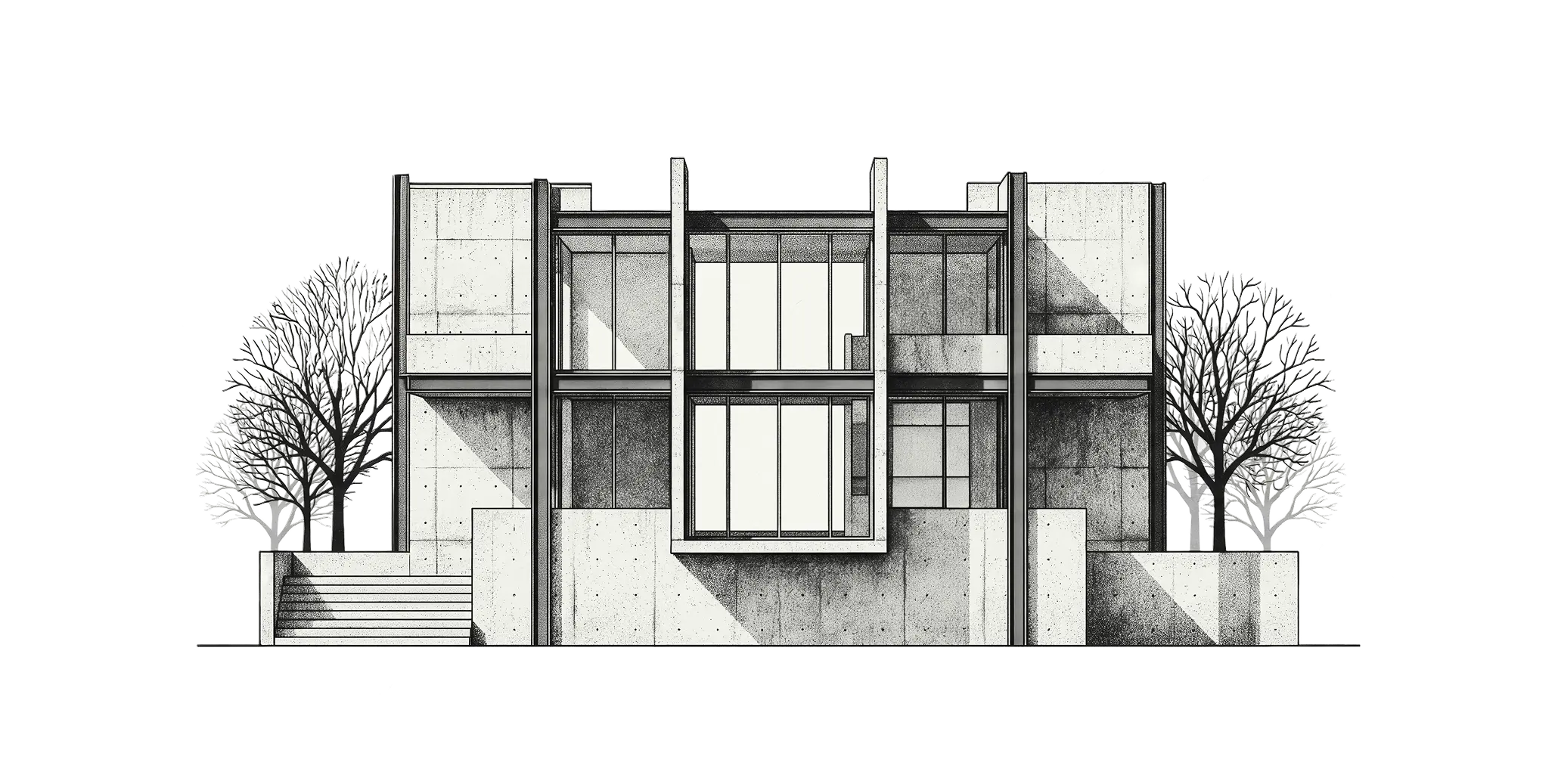
A practical publication / field notes
Good work begins with a shared understanding. Make the goal clear, name the boundaries, and turn an idea into examples someone can actually check.
Read the field notes FIG. 01 / THE WORK BEFORE THE WORK
01 / The premise
MOST OF THE WORK IS INVISIBLE UNTIL THE GOAL, THE CONDITIONS AND THE BOUNDARY ARE WRITTEN DOWN.
Good work begins with a shared understanding. Make the goal clear, name the boundaries, and turn an idea into examples someone can actually check.
Read the standards02 / Why briefs drift
Design software is powerful but passive. Most planning documents are too. They wait for every instruction, give no advice and cannot tell whether the result arrived, so the repetitive work stays on you.
A theme is not a goal. Without a person and a finish line, every draft can be argued into shape.
See the working noteWhat must never happen, and what is out of scope, arrives only after the work has already gone there.
See the working noteIf two people cannot look at the same thing and agree on whether it happened, the brief is not finished.
See the working noteWith no expected, failure or boundary case to check, the last opinion in the room starts to look like the standard.
See the working note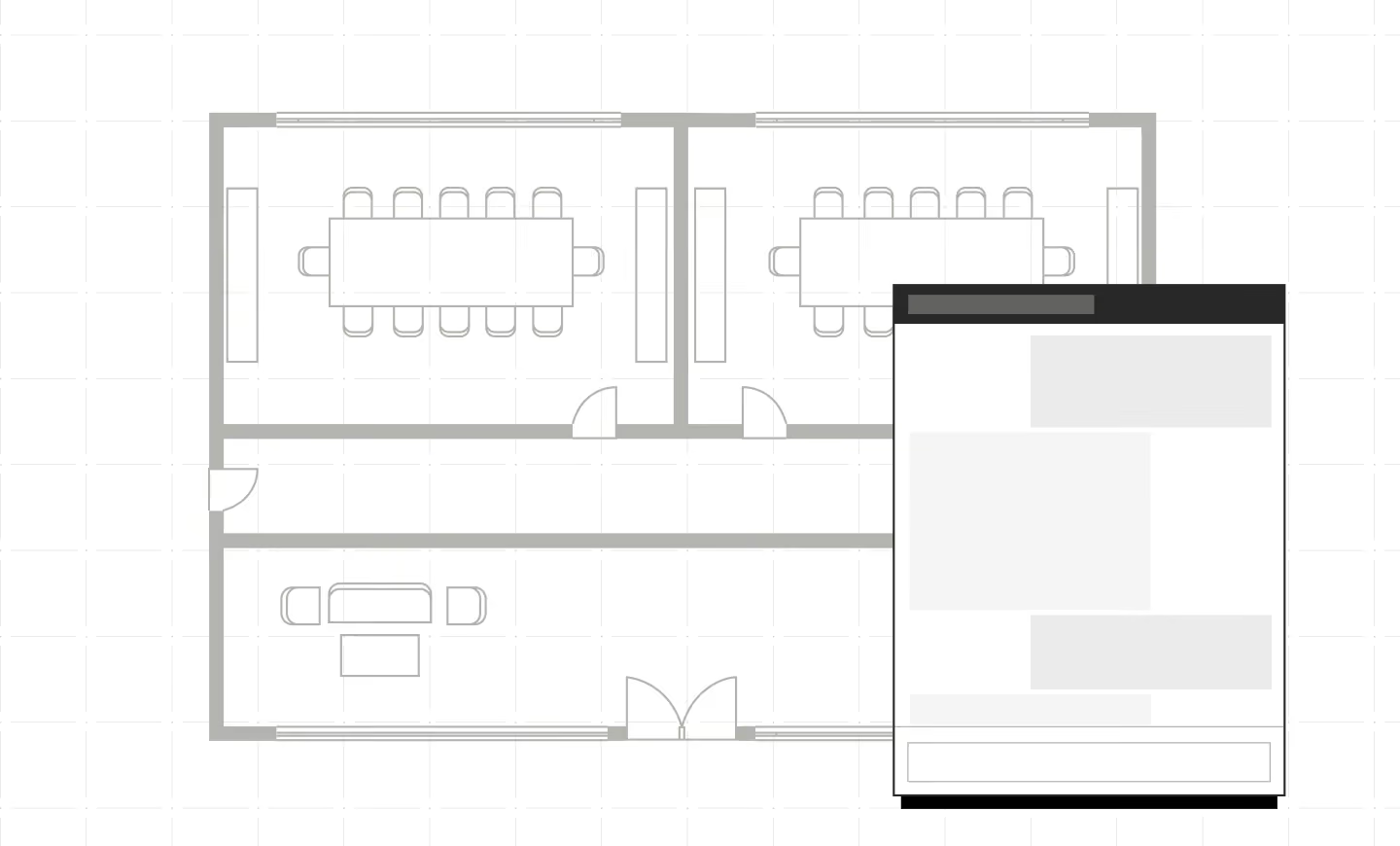
Every field note starts from the same drawing: a goal, the conditions around it, and a result another person can observe.
[ Scroll to continue ]03 / The workbench
Write a user goal, the conditions that must hold, and the expected, failure and boundary cases. Preview the Given / When / Then descriptions, then keep the brief as Markdown or JSON. Everything stays in this browser.
Open the builder→A new brief is opened and the goal is named.
The conditions and boundary are written down.
Another person can test the result.
04 / Why us
Each note moves in one direction: from a shared goal to a condition another person can inspect. The method is small on purpose. A smaller surface is easier to check.
 FIG. 03 / THE STRUCTURE OF A PROMISE
 FIG. 04 / FIELD CONDITIONS
05 / Use cases
Turn a brief into a shared definition of done before the draft. Read the field notes →
Name the conditions behind a visual decision, then show the expected and failure cases. Open the rubric →
Make the observation checkable by someone who was not in the room. See the method →
Keep a standard that survives a change of author, not just a change of mood. Browse the notes →
Put the boundary in the brief before it becomes an incident. Read the boundary note →
Use one small artifact to keep the work legible without a process layer. Open the builder →